Choosing the right location for your accommodation in Makkah largely determines how relaxed or exhausting your days in a state of ibadah will be. Between towering skyscrapers directly facing the mosque courtyard, vibrant commercial avenues, and quieter suburbs with bus connections, the districts differ not only in price, but above all in daily transit time for prayers.
Anyone planning an Umrah independently for the first time faces a huge selection of hotels in Makkah. On online maps, many properties appear close together, yet the topography, dense traffic, and immense crowds around Masjid al-Haram make your choice of location a decisive factor for a smooth trip.
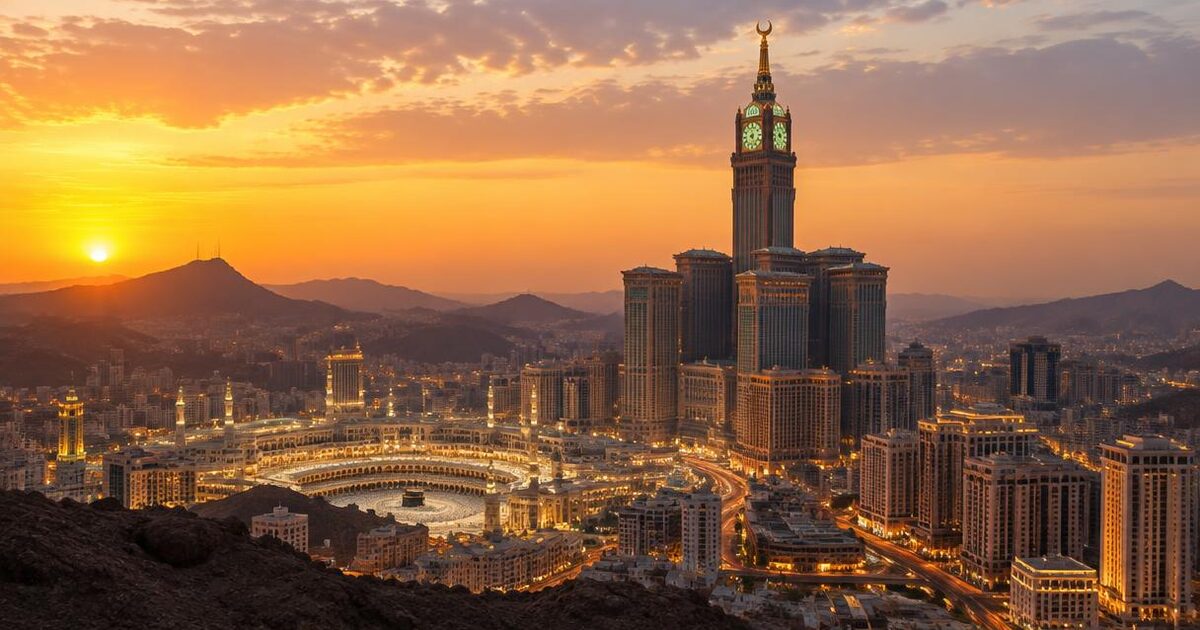
The Direct Haram Ring: Abraj Al Bait and Jabal Omar
Accommodations in the front row border directly on the mosque courtyard. Among the best-known complexes are the Abraj Al Bait Towers (the Clock Tower complex) to the south and the newer Jabal Omar development to the west of the sanctuary.
Advantages of this location
* Minimal walking distance: You step straight out of the hotel lobby or connected shopping mall onto the mosque courtyard. In some towers, you can even use prayer halls connected directly to the Haram's central audio system.
* Maximum flexibility: Resting in your room between prayers, taking a quick shower, or assisting elderly family members saves an immense amount of energy.
* Comprehensive on-site amenities: From supermarkets to pharmacies and restaurants, everything is located inside the complex, avoiding long walks outside.
Drawbacks and challenges
* Premium price tier: These properties charge the highest room rates in Saudi Arabia, especially during the last ten nights of Ramadan or peak winter months.
* Elevator wait times: When thousands of hotel guests return to their rooms simultaneously after congregational prayer, waits at the elevators can easily reach 15 to 30 minutes. Much of the theoretical time saved walking can be lost here.
Ibrahim Al Khalil Road: The Popular Main Thoroughfare
Ibrahim Al Khalil Road stretches south from the southwestern corner of the courtyard for several kilometers. It serves as the main shopping and walking strip for pilgrims from across the globe, offering a wide range of accommodation across all budget tiers.
Along the initial stretch—up to around 800 meters from the mosque grounds—you can easily reach the Haram on foot. The route is paved, well lit at night, and lined with restaurants, currency exchange offices, and grocery stores. As you move further south along this road, hotel rates drop noticeably. Beyond roughly one kilometer, many hotels offer private shuttle vans to the outer perimeter cordon.
For travelers seeking a sensible compromise between an affordable price and independent walking access without relying on fixed bus timetables, this strip is frequently the top choice.
Ajyad: Traditional Pilgrim District with Mixed Topography
East and southeast of the Abraj towers lies the historic district of Ajyad. This area is distinctly hilly and divided into sections such as Ajyad Al Sadd or Bir Balila.
* Ajyad close to the courtyard: Established 4- and 5-star properties are located here, offering short walks to the mosque. Access is generally flat or involves only a gentle slope.
* Upper Ajyad: Further uphill, rates drop significantly. However, you must navigate steep inclines and steps. While rarely an issue for young, fit travelers, negotiating this climb multiple times a day can become a physical strain for wheelchair users or elderly pilgrims.
If you consider this area, it is advisable to inspect contour lines and street-level imagery closely before booking.
Kudai, Mahbas Al Jin, and Aziziyah: Budget Shuttle Locations
Not every pilgrim wishes to or can allocate the budget required for a hotel within walking distance. Families and larger groups requiring multiple rooms often choose districts located 2 to 5 kilometers away from the Haram. These include Kudai to the south, Mahbas Al Jin to the east, and the sprawling neighborhood of Aziziyah.
In these districts, modern 4-star rooms are often available at a fraction of the cost of central properties. Access to the Haram is provided via complimentary hotel shuttles or public transport buses (Makkah Bus), taking you to central terminals such as Kudai or Jarwal.
However, staying in a shuttle location demands greater discipline: during peak hours—such as right before Friday prayers or following Tarawih—buses are packed. Often, you will need to remain at the mosque through two or three consecutive prayer times, as returning to your hotel between Dhuhr and Asr is simply impractical.
Calculating Walking Times Realistically: What Truly Matters
Many booking platforms advertise claims such as "500 meters to the Haram" or a "5-minute walk." In reality, these figures refer to straight-line distance to the outermost perimeter of the mosque courtyard. Between your hotel room door and your actual prayer spot, several hurdles remain:
- Crossing the outer plaza: The courtyard itself is immense. Walking from the perimeter gate to the Mataf level (the central area around the Kaaba) takes a solid 10 to 15 minutes at a normal pace.
- Crowd control and cordons: Once inner prayer halls are full, security personnel redirect pedestrian flow to upper tiers, outdoor plazas, or the roof. Taking the shortest direct path is not always possible.
- Pedestrian bottlenecks and traffic crossings: Along main streets, thousands of pilgrims cross simultaneously, causing hold-ups at stairs and underpasses.
To ensure a stress-free arrival before the adhan, it is best to plan for roughly double the advertised walking time.
Which Location Suits Your Travel Profile?
The ideal area depends on your personal priorities, your travel companions, and your length of stay:
* Solo travelers and couples: If you are physically fit, choosing a hotel 600 to 1,200 meters away along Ibrahim Al Khalil Road is well worth considering. You save money while remaining independent.
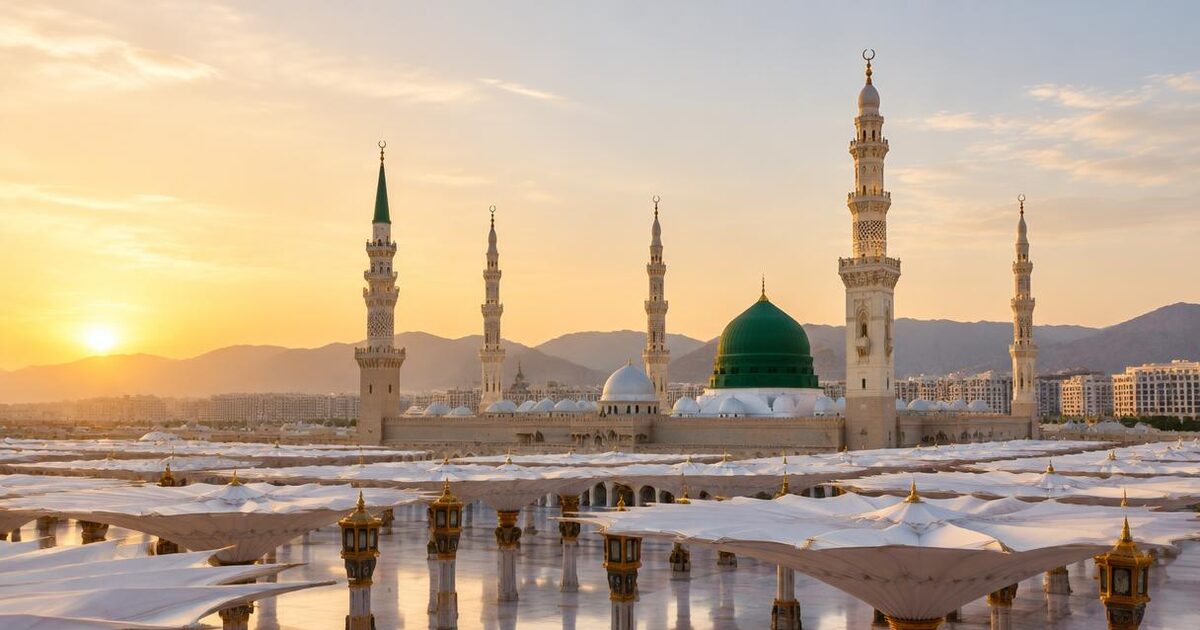
* Families with small children or seniors: Here, the front row (Abraj Al Bait or Jabal Omar) is often worth every euro. Being able to return to your room within minutes after prayer relieves stress for the entire family. If your itinerary includes Madinah, similar considerations apply—helpful insights can be found in our guide on Medina hotel location for elderly travelers.
* Budget-conscious long-term visitors: Staying two weeks or longer in Makkah makes Kudai or Aziziyah an attractive option with spacious rooms at low rates. To see how accommodation choices shape overall trip expenses, consult our overview on costs of a self-organized Umrah.
Your travel logistics also matter: whether you fly into Jeddah first and take the Haramain high-speed train or start your journey in Madinah impacts your arrival schedule. For practical details, see our guide on Frankfurt to Jeddah or Medina.
Organizing Your Booking Step by Step
Independent pilgrims can easily reserve accommodation transparently via specialized booking portals. Always look for free cancellation options in case your travel dates change. We do not book hotels directly nor do we operate package tours, but we connect you with verified partners.
View hotelsBefore completing your hotel booking, ensure your entry formalities are settled. A standard Saudi tourist eVisa is completely sufficient to perform Umrah—no separate Umrah visa or agency package is required. You only need to reserve your free Umrah permit via the official Nusuk app (details via the Saudi Ministry of Hajj and Umrah). For official travel and safety advice, consult the German Federal Foreign Office.
For a complete step-by-step roadmap for your entire journey, refer to our comprehensive guide on planning Umrah independently.
Further Reading
Planning Your Own Umrah: The 10-Point Checklist for Travelers from Germany
How Much Does a DIY Umrah Really Cost? Realistic Budget Planning
Madinah Hotel for Seniors: The Best Location Near the Prophet’s Mosque
Frankfurt to Jeddah or Madinah: Which Destination Airport Makes More Sense for Umrah?
 Hotels