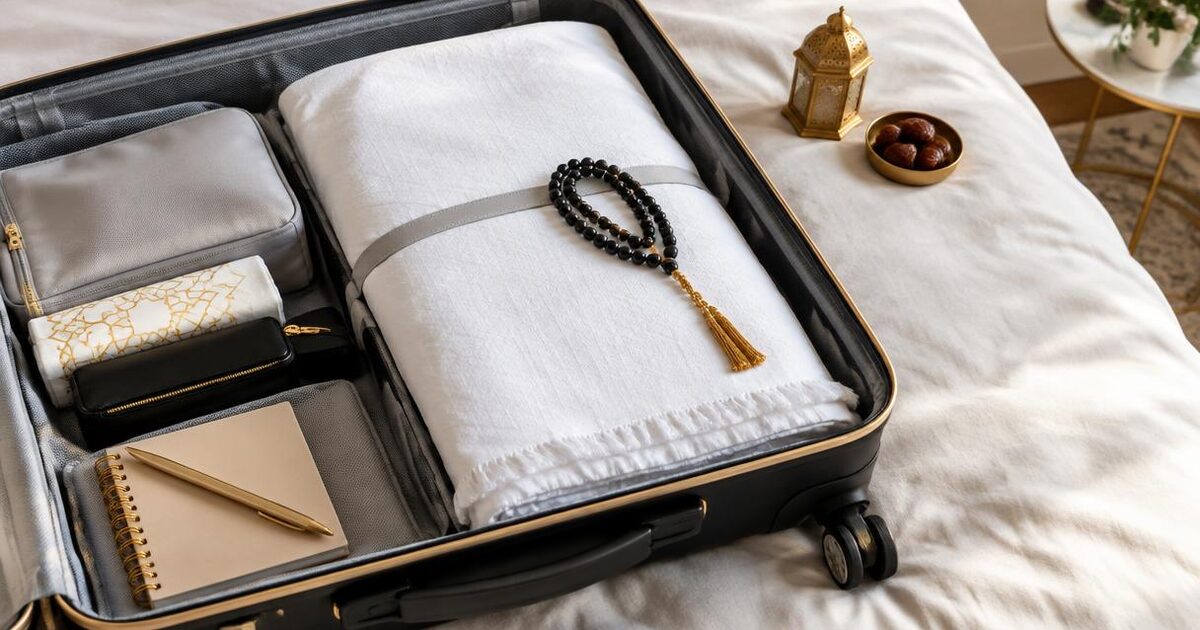
Performing Umrah alongside your parents or elderly family members is a profound, cherished dream for many Muslims. At the same time, this journey brings unique logistical challenges: long distances at major international airports, dense crowds around the Kaaba, and unfamiliar climatic conditions can demand a great deal of physical stamina from older travellers. Thoughtful planning when selecting flights, accommodation, and the daily rhythm ensures that the pilgrimage remains safe, dignified, and manageable without putting anyone's health at risk.
When preparing a pilgrimage for your family, the needs of your elderly relatives should always set the pace. Small details planned well in advance determine whether the days in the Holy Cities are experienced as deeply fulfilling or as physically exhausting. A structured approach helps you steer clear of typical obstacles right from the start.
Flight Selection and Accessible Airport Transfers
When flying with elderly relatives, comfort is the top priority. Overnight flights departing at 3:00 a.m. or connections with tight layovers may occasionally save money, but they drain vital energy long before you even arrive.
Keep the following factors in mind during your flight search:
* Prioritise direct flights: Whenever a direct flight (such as from Frankfurt to Jeddah) is available, it eliminates the strain of boarding and deplaning during an intermediate stop.
* Plan generous layover times: If a connecting flight is unavoidable, never choose layovers under two to three hours. Major hubs require substantial walking between terminals. For further guidance on optimal flight scheduling, see our guide on Umrah Flight & Layover Times.
* Request complimentary wheelchair assistance: Register the passenger assistance service (WCHR/WCHS) directly with the airline at least 48 hours prior to departure. Your parents will then be assisted at the departure airport, guided smoothly through security, and met right at the aircraft door upon arrival.
* Select seats thoughtfully: Reserve aisle seats to allow easier access to the lavatory, or choose seats in the forward cabin to avoid standing in long queues during boarding and disembarking.
Search flights via our partnerChoosing the Right Hotel in Makkah and Madinah
The walking distance between the hotel and the mosque is the single most critical factor for elderly pilgrims. What feels like a brief ten-minute stroll to younger travellers can become an insurmountable hurdle for seniors in 35-degree heat.
In Makkah, accommodation within the complexes directly adjacent to the Haram courtyard (such as the Abraj Al Bait towers or the Jabal Omar development) is strongly recommended. Make sure that the path to the prayer courtyard is level and step-free. Some hotels advertise a distance of 400 metres but fail to mention that the route involves steep inclines or stairs.
Similar principles apply in Madinah. While the paths around the Prophet's Mosque are largely flat, the overall courtyard is vast. Entrances for men and women are located on different sides; therefore, choose your hotel according to the relevant entrance gates. A detailed overview is available in our article on Madinah Hotel Locations for Elderly Pilgrims.
Before booking, also consider:
* Elevator capacity: In large high-rise hotels, elevator queues can reach 20 to 30 minutes around prayer times. Rooms on lower floors or hotels with dedicated lift banks offer a major advantage.
* On-site dining: Book at least breakfast, or ideally half-board directly at the hotel. This avoids the taxing search for restaurants in crowded streets outside.
* Accessible rooms: Ask for walk-in showers with grab bars to reduce the risk of slips or falls in the bathroom.
View hotelsArranging Wheelchairs and Mobility Aids on Site
Even parents who are mobile in their day-to-day lives at home frequently reach their limits given the sheer distances inside the Haram. The walk from the hotel to the prayer area alone, followed by seven circuits of Tawaf and seven lengths of Sa'i, quickly totals several kilometres.
Reliable options are available for Tawaf and Sa'i:
- Own or rented manual wheelchairs: You can purchase simple folding wheelchairs locally in pharmacies or rent them through your hotel. During Tawaf, you can either push your parents yourself or hire a licensed helper inside the Haram. Whenever possible, use the designated wheelchair levels.
- Electric scooters in the Haram: On the upper levels of the expansion and in the Mas'a (the Sa'i area), official electric scooters are available for rent. These come in single-seat and two-seat models. If your parents feel comfortable steering, this is an independent, energy-saving choice.
Bring a lightweight folding prayer stool with a padded seat for waiting times before prayers. Sitting directly on the marble floors can be painful for elderly joints.
Preparing the Visa and Umrah Permit for the Family
For eligible nationalities, including German and EU citizens, the standard Saudi tourist eVisa is entirely sufficient to perform Umrah—no specialised "Umrah visa" package is required. The eVisa is valid for 365 days from issuance, permits multiple entries, and allows a total stay of up to 90 days across all visits. Passports must have at least 6 months of remaining validity. Please note that during the official Hajj season, entering Saudi Arabia with this tourist eVisa to perform Umrah is prohibited by Saudi authorities.
Umrah Hilfe (AZNA Marketing, Frankfurt am Main) is not a tour operator; we obtain the eVisa on your behalf directly through the official Saudi government platform. Flights and hotels can be arranged independently through our verified partners and are never bundled with visa processing. You can submit the visa request for your entire family in a single process. Each traveller requires a clear passport copy and a front-facing passport photograph on a plain white background. Pricing is clear: our service fee is €37.50 per person plus the official government visa fee. Payment is made exclusively via standard bank transfer using the invoice number as the payment reference. Applications are typically processed within 48 hours of payment receipt, with final approval resting solely with the Saudi authorities.
Beyond the eVisa, you only need the free official Umrah permit and the Rawdah visiting permit in Madinah, both booked through the official Nusuk app. For a complete planning checklist, review our guide on Planning Umrah independently. Further details on expenses for family groups are found in our article on Umrah Visa Costs for Families and Groups.
Apply for visa nowStructuring Daily Routines to Preserve Energy
A common pitfall when performing Umrah with parents is an overly packed schedule. Older individuals need extended recovery periods. Avoid scheduling more than one major activity per day.
Choosing the Best Time for Umrah
Do not attempt the Umrah rituals (Tawaf and Sa'i) immediately upon arrival. Allow your parents a full night of restorative sleep after the flight. The ideal time to complete Umrah with seniors is during the cooler hours: either late at night after the Isha prayer (from around 11:00 p.m.) or in the early morning after Fajr. Completely avoid the midday heat and peak times around Friday prayers.
Pacing Daily Prayers
It is understandable that parents want to perform every obligatory prayer directly inside the central courtyard. However, walking back and forth five times a day leads quickly to physical exhaustion. Instead, agree on combining prayers where religiously permissible, or perform the Dhuhr and Asr prayers inside your hotel room or in the air-conditioned prayer halls within the hotel towers, which are acoustically connected to the Haram. Focus your visits to the inner mosque area on Fajr and Maghrib/Isha.
Health, Medication, and Medical Precautions
The dry desert climate, sharp contrasts between air-conditioned interiors and outdoor heat, and large crowds put significant strain on the immune system. The so-called "pilgrim's cough" affects nearly every traveller at some point.
Keep the following medical precautions in mind:
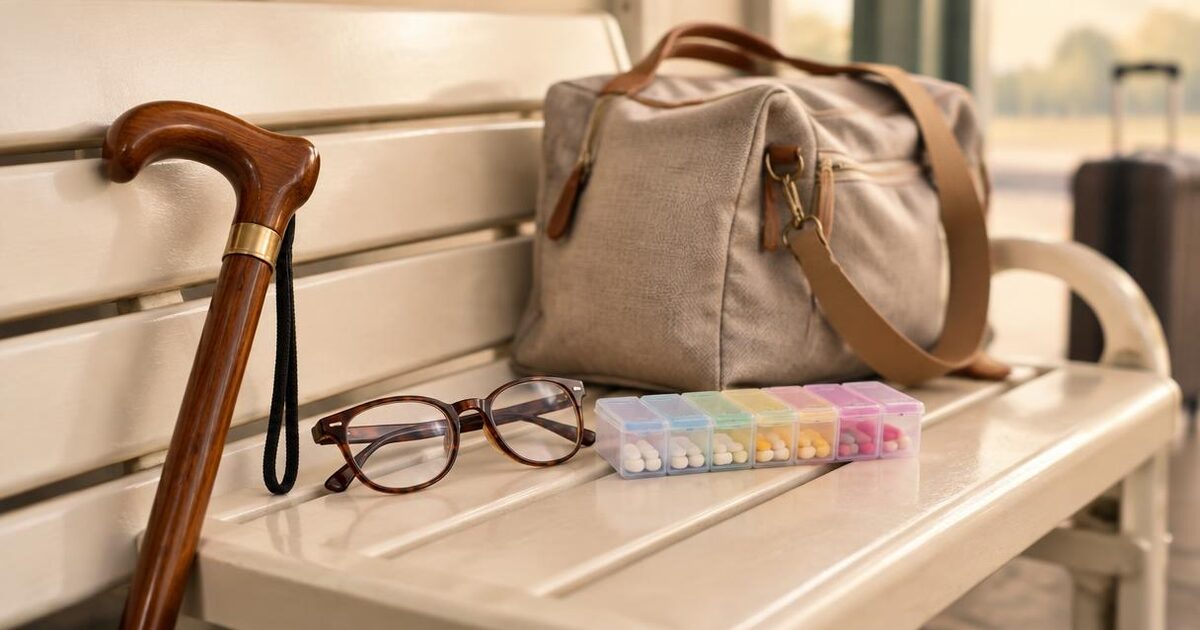
* Keep medication in carry-on luggage: All regular long-term medications for blood pressure, diabetes, or cardiovascular conditions must go into your cabin baggage, along with a buffer supply for at least five additional days. Carry an official medication schedule written in English.
* Pack a comprehensive first-aid kit: Include pain relievers, electrolyte powder, throat lozenges, foot care ointment, and moisturisers.
* Stay hydrated: Older people often have a diminished sensation of thirst. Remind your parents regularly to drink Zamzam or bottled water to prevent dehydration.
* Check travel advice: Before departing, consult current travel and health recommendations on the website of the Federal Foreign Office.
* Verify official requirements: For official guidelines and appointment slots for religious sites, consult the Saudi Ministry of Hajj and Umrah.
If you have questions about document verification or travel organisation for your family during preparation, our team is always happy to assist.
Get in touchFurther Reading
Planning Umrah independently – Step-by-step guide
Madinah Hotel Locations for Elderly Pilgrims
Umrah Visa Costs for Families and Groups
Planning Flights & Layover Times for Umrah
 Planning