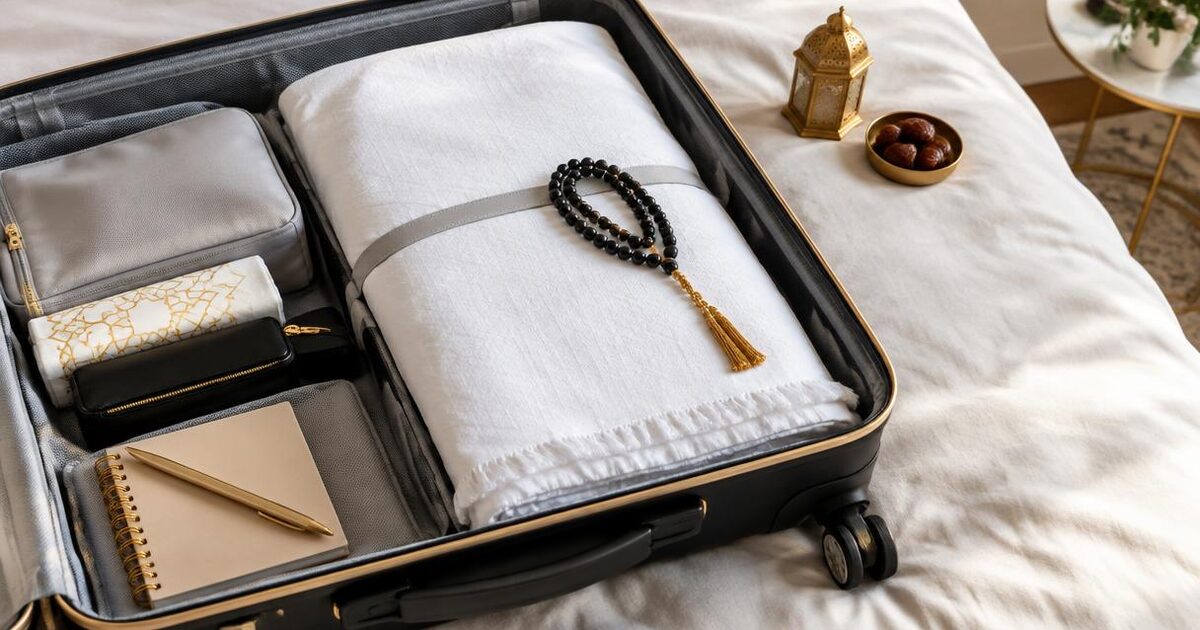
Most challenges during an independently organized Umrah do not begin on site in Makkah or Madinah, but right at your desk in Germany: incomplete documents, misunderstandings regarding visa regulations, or overly optimistic travel schedules quickly lead to expensive rebookings and avoidable stress. By structuring your journey carefully beforehand, you can focus entirely on your ibadah once you arrive.
Organizing your pilgrimage on your own gives you maximum flexibility regarding travel dates, hotel choices, and your budget. At the same time, you carry full responsibility for every detail. If you are planning your Umrah yourself, you should be aware of the following seven pitfalls to prevent unpleasant surprises during preparation and travel.
1. Applying for the Visa Too Late or Misunderstanding Visa Rules
A common misconception is that a separate, expensive "Umrah visa package" is mandatory. In reality, the standard Saudi tourist eVisa is completely sufficient to perform Umrah, requiring only the free Nusuk permit once issued. Another mistake is assuming the visa will always arrive instantly. While processing via an intermediary service like Umrah Hilfe usually takes within 48 hours after receipt of payment via bank transfer, official approval rests solely with Saudi authorities, so you should always plan with a sensible time buffer.
Furthermore, the duration of stay frequently causes confusion: A Saudi eVisa is valid for 365 days from the date of issue and allows multiple entries. However, the total stay is limited to a maximum of 90 days across all visits combined—not 90 days per individual entry. Read more details about the Umrah visa validity and the 90-day rule. In addition, while this visa permits entry year-round, performing Umrah during the official Hajj season is strictly prohibited by Saudi regulations.
2. Invalid Passport Photos and Insufficient Passport Validity
Rejected visa applications are most often caused by formal deficiencies in the uploaded documents. To enter Saudi Arabia, your passport must be valid for at least six months from your planned date of entry. A national identity card (such as the German Personalausweis) is strictly insufficient.
The second stumbling block is the passport photo: The Saudi immigration platform requires a recent, frontal color photograph with a pure white background, where the face is clearly illuminated without shadows. Snapshots taken against textured wallpaper, low-resolution scans, or selfies regularly trigger system errors or official rejections. Before submitting, review the specific requirements for the passport photo and passport for the Umrah visa.
Apply for a visa now3. Choosing Flight Layovers That Are Too Tight
Pilgrims traveling from Germany who do not take direct flights to Jeddah or Madinah often book connecting flights via Istanbul, Cairo, Amman, or the Gulf hubs. To reduce costs, some select itineraries with layovers under 90 minutes. Minor flight delays, transit security queues, or terminal changes can quickly turn tight connections into a missed flight.
A missed connection is especially stressful on the outbound journey: If you are already in the state of Ihram or your checked luggage containing your Ihram garments does not make the connection, your entire schedule is disrupted. Always plan for a layover buffer of at least two to three hours. Detailed recommendations can be found in our guide on optimal layover times for Umrah flights.
Search flights via our partner4. Misjudging Hotel Distances and Walking Routes
A hotel listing claiming "500 meters from the Haram Mosque" sounds very close, but in Makkah it rarely reflects the actual walking effort. The dimensions of Masjid al-Haram are immense. From leaving the hotel lobby, crossing busy multi-lane roads, and navigating the vast outer courtyards to reaching the inner prayer areas, a short distance as the crow flies often means a 20 to 30-minute walk.
In addition, many accommodations in Makkah sit on steep terrain, meaning the return walk after midday prayers involves strenuous uphill walking. Shuttle buses from hotels located further away are often halted by authorities during peak prayer times, resulting in unexpected delays. When selecting accommodations through verified booking partners, check reviews specifically for walking times, elevation, and elevator capacity.
View hotels5. Forgetting the Umrah Permit via the Nusuk App
A tourist eVisa grants legal entry into the Kingdom of Saudi Arabia, but it does not replace the mandatory ritual reservation. The Saudi government manages pilgrim volume inside the holy sites through the official Nusuk app. You must reserve free time slots (permits) in advance for Tawaf during Umrah, as well as for visiting the Rawdah inside the Prophet's Mosque in Madinah.
Pilgrims who overlook this step risk being turned away at the security checkpoints leading to the inner courtyards. Download the app before your trip, register using your visa and passport numbers, and reserve your required slots as soon as they open. Official information can be found via the Saudi Ministry of Hajj and Umrah at haj.gov.sa.
6. An Overloaded Schedule and Lack of Rest Periods
Out of understandable enthusiasm to maximize every minute at the holy sites, many travelers schedule an exhausting daily program: night prayers, early morning historical excursions (Ziyarah), shopping, and hours spent in direct sun in the marble courtyards.
The dry desert climate, cold air conditioning in mosques and hotels, and the physical demands of Tawaf and Sa'i can rapidly cause severe exhaustion or illness without sufficient rest. When traveling with children or elderly relatives, a measured daily pace is essential. Schedule dedicated rest periods between prayers and ensure constant hydration.
7. Carrying Essential Travel Documents Only Digitally or Incompletely
A flat phone battery, a lost device, or network issues upon arrival at King Abdulaziz International Airport in Jeddah can cause immediate friction. Border officials, hotel desks, and attendants on the Haramain High-Speed Railway frequently request printed proof of reservations.
In addition to digital copies on your smartphone, always carry printed copies of key documents in your hand luggage:
* The printed eVisa confirmation PDF
* A clear copy of your passport data page
* Booking confirmations for flights, hotels, and train tickets
* Proof of mandatory health insurance coverage (which is automatically included with the eVisa)
Before departure, verify the latest entry and safety advisories for Saudi Arabia provided by the German Federal Foreign Office at the Auswärtiges Amt.
Get in touchFurther Reading
Plan Umrah Yourself: The Complete Checklist
Umrah Visa Validity: The 90-Day Rule Explained
Passport Photo and Passport for the Umrah Visa: Requirements
Planning the Right Layover Time for Umrah Flights

 Planning